How do I know what God is asking me to do?
I hear the word “discernment” a lot right now. I have friends discerning the priesthood, religious life, marriage, a career change, a geographical move, a baby name, the proper investments, and even how to approach difficult discussions.
But very rarely do we discuss what it means to discern or how to go about doing it.
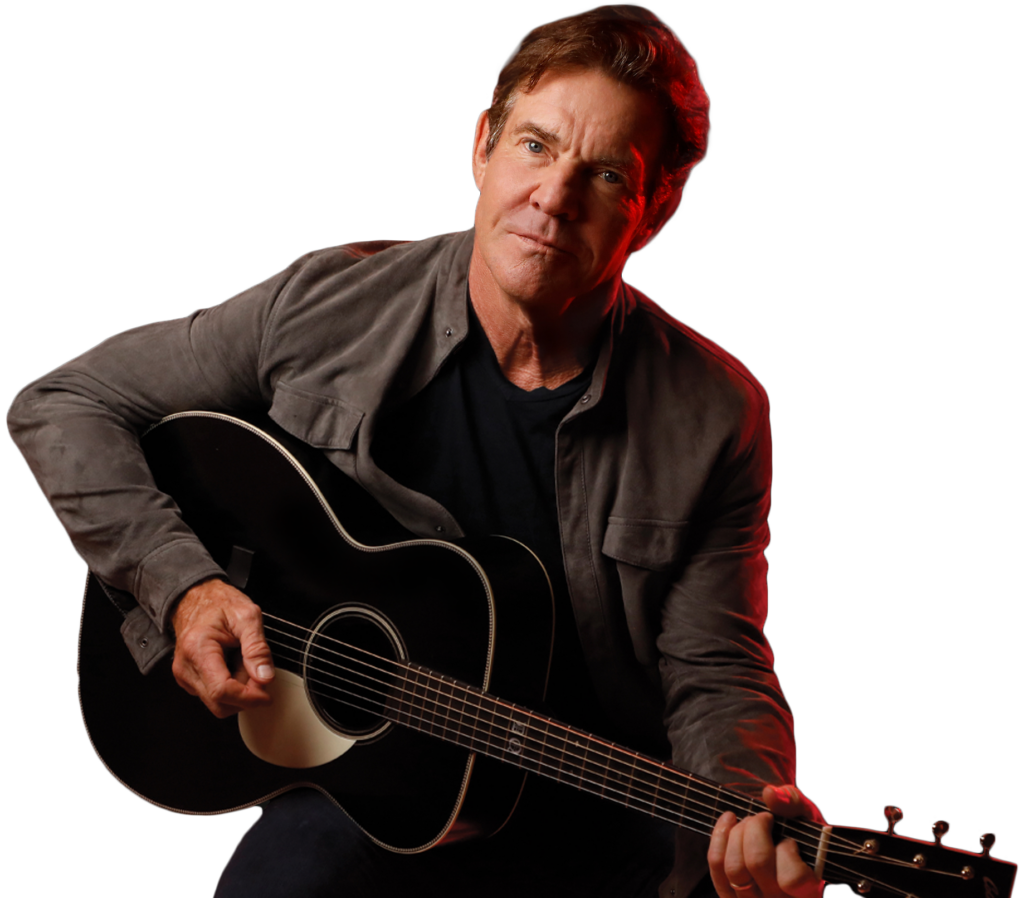
On July 11, the Athenaeum Center had the pleasure of hosting Fr. Mike Schmitz, Alex Jones (founder and CEO of Hallow), and Jamie Baxter (founder and CEO of Exodus90) for a panel discussion moderated by our own Associate Director, Katie Joy Daufenbach.
In their lives and their work, these men bring Christ into the desert. We have seen the undeniable fruits of their work and, yes, their discernment. Fr. Mike’s Bible in a Year and Catechism in a Year podcasts have brought Scripture and Tradition to both Catholics and non-Catholics alike, Hallow has encouraged millions to enter more deeply into prayer, and Exodus90 invites men into prayer, fasting, sacrifice, and abiding brotherhood and friendship.
But how did they get where they are now? And, perhaps most importantly, how did they know that it was God’s will for them?
STEP 1: Make Space for God
1) Spend time in meditative/contemplative prayer.
2) Simplify your schedule.
3) Reclaim places of chaos in your life by dedicating them to God.
We live very busy lives. For many, prayer is something we vaguely think “I should do that,” or even “I wish I could do that.” But between work and family, we often come to a tacit understanding with God: “I don’t have time for that.” And we often hear that prayer is essential to the spiritual life, but perhaps we don’t even really know what it means to pray–or, at least, what it means to pray well.
Alex described his experience of discovering what it meant to pray. He had pursued eastern meditation through a prayer app, but had found himself constantly arriving at the image of the Cross. Yet to his mind, “prayer” was a collection of petitions and memorized prayers from childhood. Priests in his life assured him that contemplative prayer is very much part of the Christian spiritual life, and the first Hallow meditations were born.
[Alex] had pursued eastern meditation through a prayer app, but had found himself constantly arriving at the image of the Cross.
Meditation is integral to the spiritual life because it creates space for God in our minds and hearts. It provides an opportunity to listen to the voice of God and to let ourselves be led.
Exodus90 addresses the need for space as well, this time by addressing the clutter of our daily lives. When you think about removing things like television, the internet, alcohol, and even hot showers from your daily life, it’s easy to think “what on earth will I do instead?” But my friends who’ve done Exodus can attest that when you simplify your schedule and your life, the space created is so much more fruitful than it was before. Suddenly, you are more attentive, more energetic, more peaceful, more joyful–and that means that you’re more receptive to the voice of God.
There are places of chaos in all of our lives, and part of making space for God is locating them and reclaiming them for Him.
Lastly, Fr. Mike’s online ministry has reclaimed a space which is often occupied by secular or inconsequential things–the internet–for the glory of God. He has carved out a place for Christ in the desert. Our own “carving out” of space may not look like Fr. Mike’s robust online ministry, but it may look like reclaiming our evening routine from the chaos of scrolling through social media, or it may be as simple as offering an Our Father first thing in the morning. There are places of chaos in all of our lives, and part of making space for God is locating them and reclaiming them for Him.
STEP 2: The Primacy of God’s Initiative
1) Cultivate the ability to listen in prayer.
2) Identify how God is responding to and fulfilling your own needs.
3) Respond to the call placed in front of you, whether that be in the petitions of those around you or convictions resulting from your personal spiritual journey.
So you’ve made the space for the call; what next?
Katie Joy opened our discussion by inviting each of the panelists to comment on the idea of “the primacy of God’s initiative.”
None of our three panelists set out to create a national or international ministry; they simply responded to the call placed in front of them. As Fr. Mike said, he didn’t come up with the idea to put his homilies online; he was asked to do so by his students and said, “Sure.”
None of our three panelists set out to create a national or international ministry; they simply responded to the call placed in front of them.
Jamie was in seminary, receiving so much fruit from his spiritual education, and with the counsel of his mother became so convicted of the importance of that education that he knew he had to share it with others. Exodus90, over the course of the next few years, transformed from Jamie’s personal experience into a book with testimonies from several men, and finally it became the program and app that we have today.
Jamie, in the context of his regimented seminary schedule (holy hour, Mass, and classes focused on the faith every day) was already cultivating space in his mind and schedule for hearing the call of God, and he created Exodus90 as a response to his conviction about the work of the Holy Spirit in his life and the lives of his friends.
Our Lord is a personal God. He desires a relationship with us, and His call is an interpersonal one rooted in that relationship.
In business, we are often instructed to identify a need and fill it. But in the spiritual life, it is difficult to accurately guess the precise spiritual needs of other people. But if we are properly making space for God, we will come to know our own needs, and the way that God fills these needs can be the pattern for our own efforts.
STEP 3: Take the next step.
1) Do the next thing necessary.
2) Do not be afraid of what could or might happen.
3) Trust in the grace and power of God.
Fr. Mike said that “Faith is rarely a leap; it’s typically steps.”
Imagine if Father, when asked to put his homilies online, had responded by saying “Yeah, that’s a great idea. While I’m at it, I’m going to apply to speak at seven conferences, launch two concurrent podcasts, and leave my post as chaplain in order to form a robust online ministry for young people.” That sounds absurd because successful ministries grow over time and organically by the work of the Holy Spirit. Father’s ministry is not the result of jumping into the deep end; it’s the result of a hundred little yeses along the way.
[Fr. Mike’s] ministry is not the result of jumping into the deep end; it’s the result of a hundred little yeses along the way.
On the other hand, for the same reason that it’s absurd for a young man to say “I won’t ask Jane out because I’m not sure I want to marry her,” it’s absurd to say “I won’t take this little step because I’m not sure if I can handle the weight of what might come next.” Fr. Mike is an introvert; imagine if he’d have said “No, I can’t put my homilies online because there’s a chance I’ll become the most famous clerical representative for young people, and I’m not sure I can handle that.” Or if Alex had said, “It might be helpful for my spiritual life to make a little meditation app, but on the off-chance that it grows into an enormous company I might have to leave my job and take the risk of running it, and I’m afraid of that.”
God provides the graces necessary to accomplish His will in us.
STEP 4: Give up.
1) Do the legwork to open the doors.
2) Offer control of the results to God.
3) Try to actually be okay with both options: success and failure.
When asked directly what advice he had for entrepreneurs, Alex replied “Give up.” Laughing, he explained that one of the most integral parts of pursuing a calling is putting it in the hands of the Father.
When he was seeking investors for Hallow, he had received a lot of no’s. Finally, he relinquished control of the outcome of his efforts to the Lord. If it succeeded, he would give all the glory for it to God. If it didn’t, well, he would give that to God too.
It isn’t up to you to force it to happen. It’s your job to respond to the call, to say “yes” to the promptings of the Holy Spirit, and to put the success of your venture in the hands of God.
Note that this does not mean that you shouldn’t work hard or take steps toward your goal. It simply means that you ought to resign control of the outcome of that work to Him.
STEP 5: Pray from a Posture of Plenty.
1) Spend time contemplating God’s love for you.
2) When you pray, ask boldly, knowing that the Father desires to give good things.
3) Be attentive to the desires underlying your petitions.
Sometimes, we pray with a scarcity mindset. We may not consciously believe it, but the assumption underlying our prayer and day-to-day living may be that God will only do so much for us. We might think “oh, I can’t ask God for X because He’s already done so much for me,” or “I want to ask God for X, but it’s not as important as something else I’ve been asked to pray for.”
Intercessory prayer is not a finite resource, and our God is a God of abundance.
Fr. Mike spoke a lot about our need to let God love us. Prayer isn’t necessary because it’s some secret code by which we convince God to do what we want, and it isn’t a bartering chip where God clocks the minutes we spend in prayer and grants requests accordingly.
Intercessory prayer is not a finite resource, and our God is a God of abundance.
Prayer is important because it’s the place in which we speak to God, and, as I said before, our God desires a relationship with us. As Fr. Mike said, He wants to suffer with us and to celebrate successes with us. Father reminded us to let our hearts be broken or overwhelmed when we bring them to God.
When we pray, we ought to do so with the underlying knowledge that our Father wills the good for us. He is not waiting for you to make the right move before He will grant your requests and put you on the path to do His will. He is already nudging you along that path, and prayer is part of it.
Fr. Mike encouraged us, when we pray, to examine our underlying desires. When we ask God for something, what deeper desire lies beneath that prayer?